Favorite spot in Havana, bring dollars because the menu does not have peso pricing. Very good food! Amazing atmosphere. Great date spot. Very nice staff. Filling as well. Very pleased with this fine cuisine. I got the Ropa Vieja and was absolutely impressed. Julian was a great server. Do not miss out on this excellent place with wonderful food.
Overview
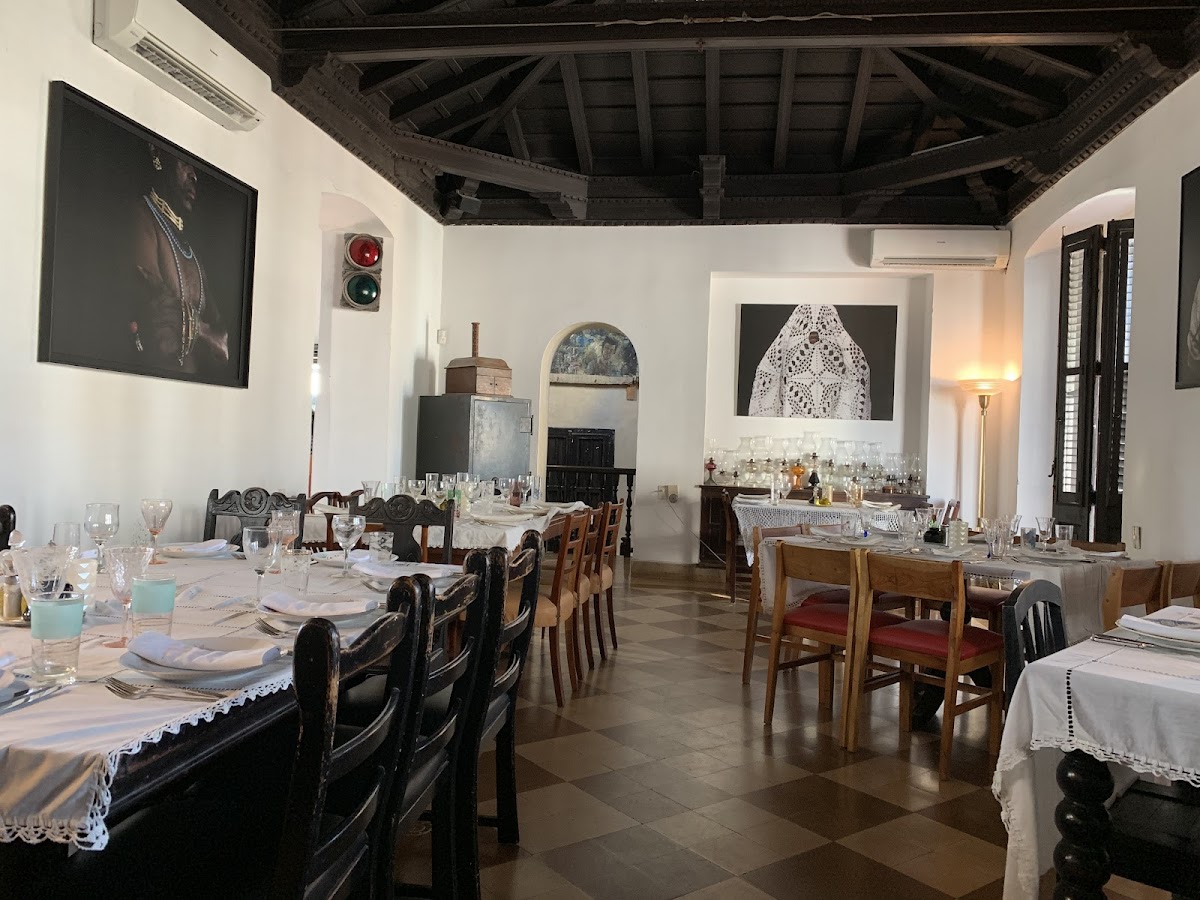
Tucked away at Calle 5th # 511 entre Paseo y 2 Vedado, La Habana, Cuba, Restaurant El Atelier feels less like a typical Havana dining spot and more like a private culinary studio. The name makes sense the moment you walk in. The setting is intimate, with only a handful of tables, soft lighting, and a quiet energy that contrasts beautifully with the lively streets of Vedado just outside.
I remember my first visit clearly. After a week of exploring Havana’s historic plazas and Malecón sunsets, I wanted something refined but still rooted in Cuban culture. A local food guide recommended this spot, calling it a hidden gem for anyone serious about fine dining in the city. He wasn’t exaggerating. From the first interaction, the staff explained the tasting menu concept, which changes based on seasonal ingredients and market availability. That approach isn’t just trendy; it aligns with what culinary institutions like the World’s 50 Best Restaurants often highlight as a hallmark of contemporary gastronomy-seasonality, creativity, and technique working together.
The menu at Restaurant El Atelier focuses heavily on seafood, which makes sense given Cuba’s Caribbean location. Dishes like lobster with citrus reduction or delicately seared fish paired with local vegetables showcase a balance of flavor and presentation. What stood out to me was the precision. Each plate felt composed, almost architectural, yet never pretentious. The chef’s method seems rooted in classic French techniques-careful temperature control, layered sauces, and thoughtful plating-while still celebrating Cuban ingredients.
One course I tried featured slow-cooked pork with a tropical fruit glaze. The meat was tender without falling apart, a sign that it had been cooked at a consistent low temperature for hours. According to culinary research published by institutions like Le Cordon Bleu, slow cooking at controlled temperatures preserves moisture and enhances flavor depth. You could taste that care here. It wasn’t just good; it was deliberate.
The wine pairing deserves mention too. Although Cuba is not known for wine production, the restaurant curates international bottles that complement the tasting menu. The staff explained why a crisp white worked with the seafood course, breaking down acidity and flavor balance in simple terms. That kind of service reflects real training and attention to detail. In many reviews online, diners consistently mention the knowledgeable servers and the personalized pacing of each meal. My experience matched that feedback exactly.
Another detail that builds trust is transparency. Prices are clearly explained before you commit to the tasting experience, and dietary restrictions are taken seriously. I watched the kitchen adjust a dish for a neighboring table with a shellfish allergy, swapping ingredients without sacrificing presentation. In an industry where food safety matters deeply, that flexibility shows professionalism.
Location-wise, being in Vedado places Restaurant El Atelier in one of Havana’s most vibrant districts. Vedado is known for its mix of historic mansions, cultural venues, and nightlife. Yet once you step inside, the noise fades. The dining room feels like a calm retreat. It’s ideal for couples, small groups, or even solo travelers who appreciate a slower, more intentional meal.
From a broader perspective, Cuba’s restaurant scene has evolved significantly over the past decade, especially with the rise of privately owned paladares. According to data from Cuban economic reforms in the 2010s, the growth of private dining establishments has increased culinary diversity in Havana. Restaurant El Atelier is a clear example of how that shift has elevated standards. It’s not just about feeding guests; it’s about crafting an experience.
Of course, availability can be limited. With few tables and high demand, reservations are strongly recommended. Walk-ins may be turned away simply due to space constraints. That exclusivity, however, is part of its charm. The limited seating ensures each guest receives focused attention.
If you’re scanning reviews before booking, you’ll notice recurring themes: creative menu, intimate atmosphere, refined service, and standout seafood. After dining there myself, I can confidently say those descriptions are accurate. The restaurant doesn’t rely on flashy marketing or oversized menus. Instead, it delivers thoughtful cuisine, careful technique, and an atmosphere that feels both elegant and welcoming.
Good to know
Service options
✓ Outdoor seating ✓ Dine-inHighlights
✓ Great cocktails ✓ Great coffee ✓ Great dessert ✓ Great wine listPopular for
✓ Lunch ✓ Dinner ✓ Solo diningAccessibility
✓ Wheelchair-accessible car parkOfferings
✓ Alcohol ✓ Beer ✓ Cocktails ✓ Coffee ✓ Small plates ✓ Spirits ✓ WineDining options
✓ Lunch ✓ Dinner ✓ Dessert ✓ Seating ✓ Table serviceAmenities
✓ Bar on site ✓ ToiletAtmosphere
✓ Cosy ✓ Quiet ✓ Romantic ✓ Trendy ✓ UpmarketCrowd
✓ Groups ✓ TouristsPlanning
✓ Accepts reservationsPayments
✓ Credit cards ✓ Debit cardsPhotos
1 / 4
Location
Reviews
- No ratings yet 144 reviews
Such a delightful restaurant. Table set on the terrace and main hall. Lovely decor. The service is friendly and they aim to please. The food the well presented and tasty. We had a special show for us — a local chorus group performed for us.
An excellent choice in a idyllic environment at an old house. Amazing ethnic music. Service at medium level (but it’s not necessary) :) Limited List of wines (France, Spain, Italy)in fair prices. Costs ~40€ / person (incl. wine)
I enjoyed dinner here very much. Food and service are great, there is live music and the views are spectacular.
This place has a really charming setting... the indoor environment is really nice (in my opinion), the terrace is a lovely place where to have a meal. Not sure whether it could depend by the fact that we were a group, but the food could be slightly improved, but overall it was a great experience
Beautiful restaurant with a rooftop seating option and nice view
Ate dinner with a group. The garbanzo beans salad was great and the snapper was incredible. The house band was what made the evening absolutely perfect. My group got up and danced and eventually the bus boy joined us along with the owner!
The tastiest dishes of Havana. The dish of the photo costs 15 CUC. At peak times it is good to have booked. For evening hours, book a table on the terrace!